TULSA PROPERTY-OWNER CALL LINE(539) 233-5641
Tulsa Mold Remediation Co.Mold remediation · Tulsa, OKCall (539) 233-5641

THE TULSA PROPERTY STANDARD

A mold-remediation company should earn your confidence with clarity.

The right first conversation connects moisture, materials, access, adjacent spaces, and timing—then explains why each possible next step belongs.

Call the Tulsa property desk(539) 233-5641One direct phone call. No forms or SMS.
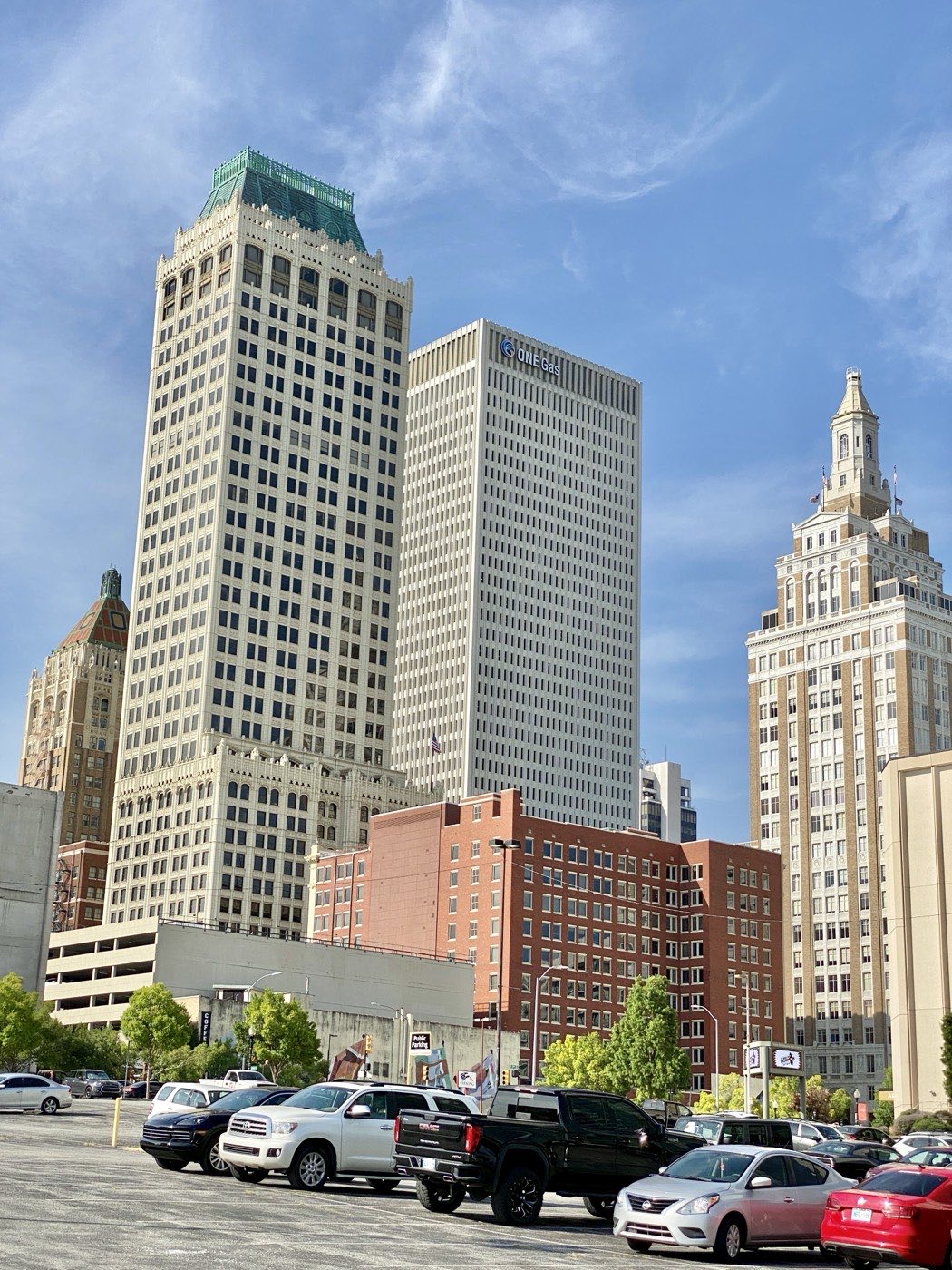
Tulsa Oklahoma skyline from downtown
THE VISIBLE AREA IS A CLUETHE PROPERTY IS THE PLAN

Tulsa Mold Remediation Co. is built around a straightforward standard: your property deserves a specific conversation before anyone treats it like a generic package.

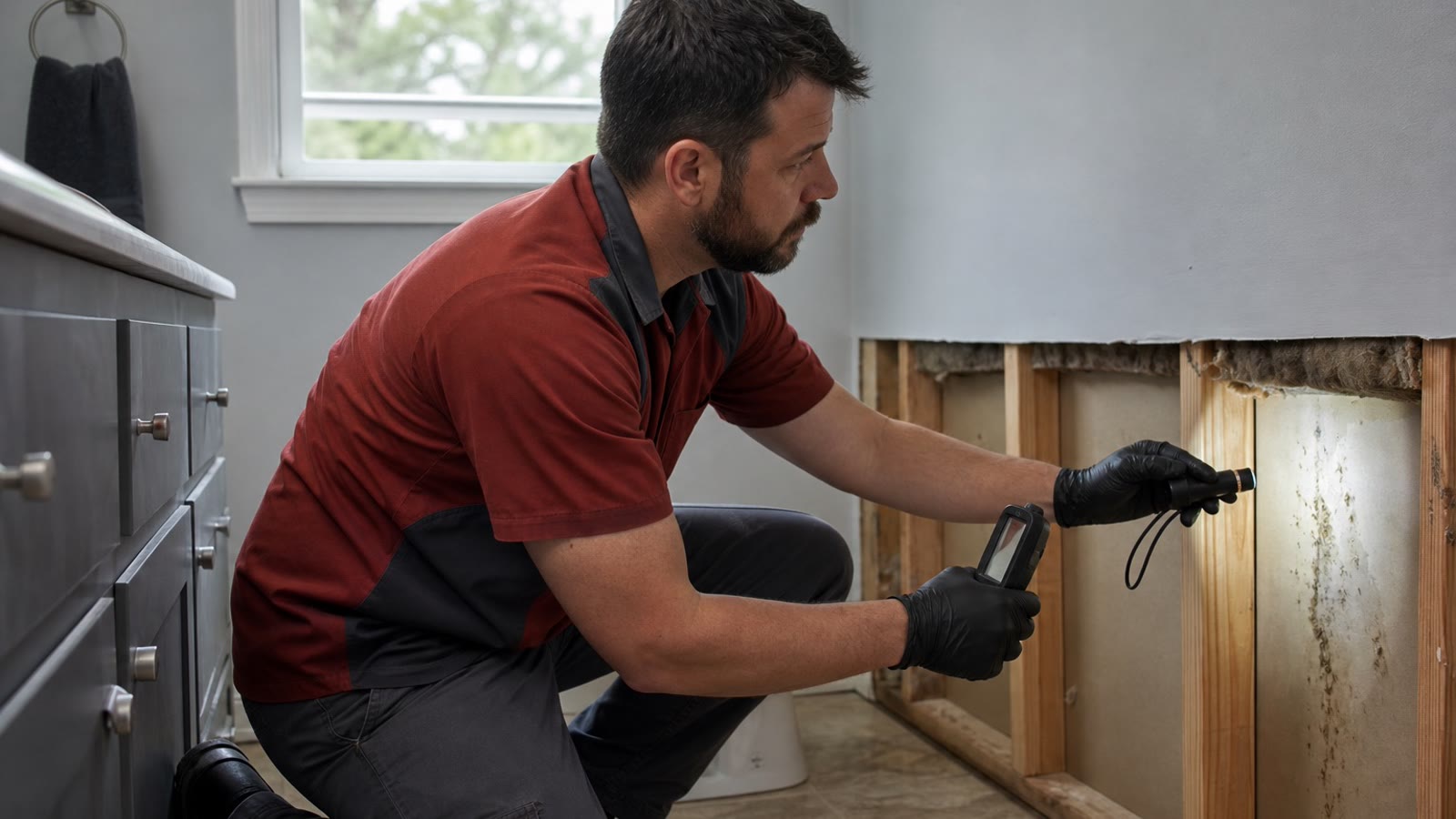
A visible spot matters, but it may not reveal where moisture started, where it traveled, how long materials stayed damp, or which nearby spaces deserve attention. That is why the first call should cover timing, possible sources, connected rooms, material changes, odor, access, earlier repairs, and what happened before the condition appeared.

Our advantage is not a made-up award or an impossible promise. It is the discipline to listen, separate observation from assumption, and explain why possible steps belong in the plan. Property owners should be able to understand how source correction, evaluation, containment, cleaning or removal, drying, disposal, and repair coordination may fit together.

That gives you a meaningful way to compare companies. If another option jumps straight to a canned package, treats every material alike, or cannot explain the reason for a proposed work boundary, ask harder questions. A responsible scope should be shaped by the property.
FOUR PRINCIPLES OF A CLEAR SCOPE

The Tulsa standard is simple: every recommendation needs a reason.

  1. IListen before prescribing

    Start with the room, timing, water history, odors, materials, and changes.

  2. IIConnect before containing

    Consider likely sources, neighboring spaces, cavities, and access.

  3. IIIClarify before deciding

    Separate what is visible, what is possible, and what still needs evaluation.

  4. IVExplain before proceeding

    Describe why source correction, containment, cleaning, removal, drying, disposal, or repairs may belong.

BUILT FOR TULSA

Local conditions belong in the property conversation.

Tulsa properties can encounter severe thunderstorms, wind-driven rain, roof entry, crawlspace and foundation moisture, plumbing failures, HVAC condensation, humid summers, and fast weather swings. Those conditions do not prove the scope of a concern, but they are useful context when you explain what happened and what changed.

The call-first service is designed for historic homes, mid-century houses, brick residences, crawlspace homes, apartments, rental properties, offices, and commercial buildings. Construction, ventilation, previous repairs, access, materials, and room connections can all change what deserves attention.

ROOM-BY-ROOM QUESTIONS

Different parts of a Tulsa property tell different moisture stories.

01

Basements and lower levels

Foundation seepage, plumbing, floor-wall joints, finished materials, stored contents, and drainage create different moisture questions.

02

Attics and roof lines

Roof entry, flashing, insulation, ventilation, condensation, and ceiling connections shape questions above and below the visible area.

03

Bathrooms and kitchens

Supply lines, drains, cabinets, fixtures, exhaust ventilation, wall cavities, and repeated humidity change the useful work boundary.

04

HVAC and utility areas

Condensate, drain pans, duct-adjacent materials, water heaters, laundry connections, and mechanical closets can connect a small clue to a wider moisture story.

05

Walls, ceilings, and floors

Drywall, plaster, trim, insulation, framing, subflooring, carpet, and resilient flooring do not all respond to moisture in the same way.

06

After storms or plumbing failures

Timing matters. Explain how long materials stayed wet, what was dried or removed, which rooms connect, and whether staining, odor, or softness returned.

Read the Tulsa moisture-and-material guide →

THE FIRST-CALL CHECKLIST

Five useful details can make the conversation more specific.

  1. Where?Name the room and exact surface or material.
  2. When?Explain when odor, staining, growth, softness, peeling, or dampness appeared.
  3. What changed?Mention rain, a leak, appliance trouble, roof work, HVAC trouble, or a repair.
  4. What connects?Think about nearby rooms, floors, ceilings, walls, plumbing, ducts, and mechanical spaces.
  5. What has been tried?Share any drying, cleaning, removal, repairs, or earlier evaluation.

PUBLIC-SOURCE REFERENCE DESK

Useful guidance should be traceable.

The U.S. Environmental Protection Agency explains that moisture control is central to mold control and that porous materials can require different decisions than hard surfaces. The Centers for Disease Control and Prevention also publishes safety guidance for people considering cleanup after leaks or flooding.

These resources provide general education—not a diagnosis or substitute for evaluating a specific property. Read the EPA homeowner guide and CDC cleanup guidance.

A DIRECT LOCAL ANSWER

What does mold remediation in Tulsa, OK involve?

Mold remediation in Tulsa, Oklahoma begins by understanding the moisture source, affected rooms and materials, timing, access, and visible or possible concealed conditions.

A property-specific plan may include evaluation, source correction, containment, cleaning or removal of affected materials, drying, disposal, and repair coordination. The right work boundary depends on construction, moisture history, material condition, and what connects to the affected area.

Tulsa Mold Remediation Co. offers a direct phone conversation for property owners who want to organize the facts, understand why each question matters, and discuss a clearer way forward.

STRAIGHT ANSWERS

Tulsa mold remediation FAQ

What does mold remediation in Tulsa, OK involve?

It begins by understanding the moisture source, timing, affected rooms, building materials, access, and visible or possible concealed conditions. A property-specific plan may include evaluation, source correction, containment, cleaning or removal, drying, disposal, and repair coordination.

Why is the moisture source important?

A visible condition may show where a problem surfaced without showing why a material remained damp. Connecting the condition to a leak, intrusion, humidity, condensation, drainage issue, or earlier water event helps shape better questions and a more responsible work boundary.

Is wiping or spraying the visible area enough?

Not always. A surface treatment may not address damp material behind finishes, below flooring, inside a wall, above a ceiling, or in a connected area. The useful next step depends on source, material, access, extent, and actual property conditions.

What should I explain on the first call?

Describe the room, timing, odor, staining or visible condition, materials involved, recent water history, what changed beforehand, and anything that has already been cleaned, dried, removed, or repaired.

Does every mold concern need the same plan?

No. Construction, ventilation, access, material condition, moisture history, affected rooms, and what can or cannot be seen all influence the evaluation and possible sequence.

Who can call about a Tulsa property?

Property owners in Tulsa, OK can call with a direct description of the concern. The first goal is to organize useful facts rather than force the property into a one-size-fits-all script.

THE STANDARD STARTS WITH THE CALL

Tell us what happened. Ask us to explain what comes next.

Call Tulsa now(539) 233-5641
Call now(539) 233-5641